

Made for Retrospectives
Why Ludi works well for retrospectives
Retrospectives depend on honest input, active participation, and clear follow-through. Ludi gives teams a structured space to share feedback, group ideas, and turn discussions into actions, so retros lead to real improvements instead of repeated conversations.

Keep retros fresh and engaging
Teams can choose from a wide range of retrospective formats, so sessions do not become repetitive over time.

Encourage honest participation
Private writing allows everyone to contribute independently before ideas are shared, helping quieter team members speak up.

Flexible structure with guided flow
Retros follow a clear process while still allowing the team to organise and group ideas naturally on the board.

Actions are tracked and carried forward
Actions created during the session are assigned, tracked, and brought into the next retrospective, so improvements are followed through.
What are Retrospectives?
Retrospectives are sessions where the team reflects on the last sprint or project phase to understand what went well, what did not, and what to improve. The goal is to surface honest feedback, identify key themes, and agree on a small number of specific actions for the next sprint.
These sessions are typically run with the full team and rely on open discussion and participation, with a focus on improving the team’s process over time.
How teams run retrospectives in Ludi
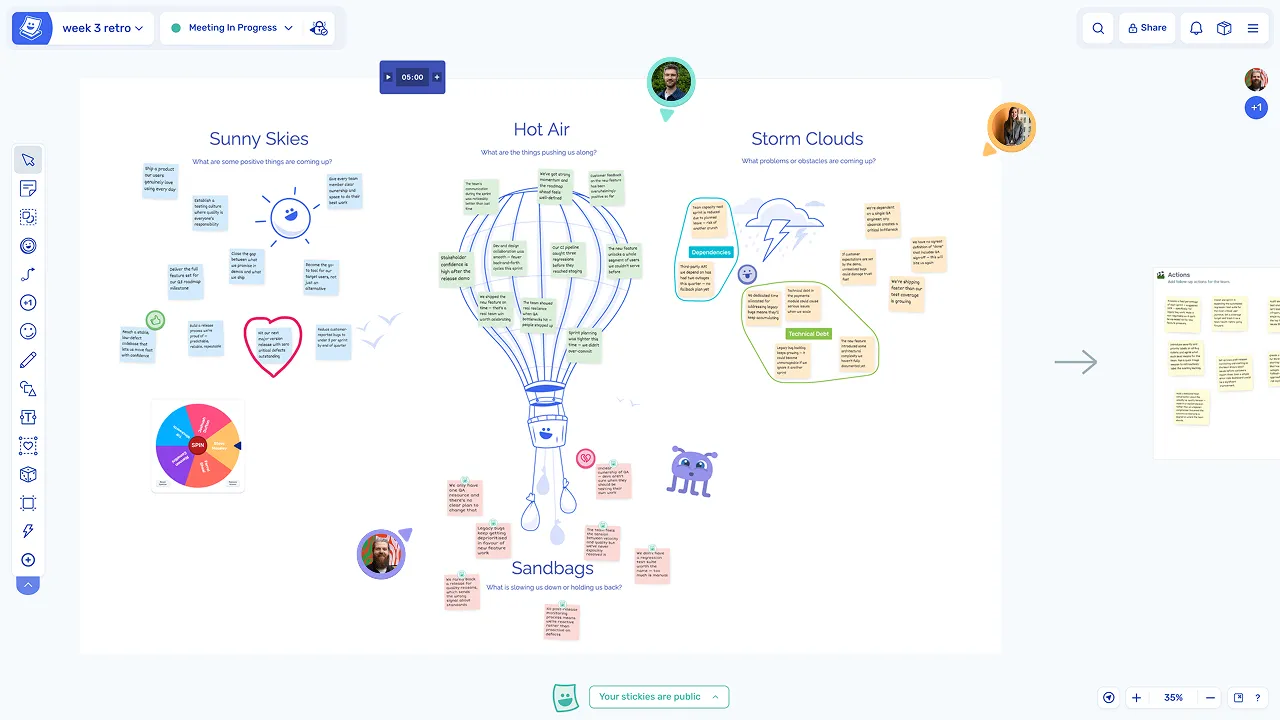
Choose a retrospective format
Teams select a template such as Hot Air Balloon, Sailboat, Start/Stop/Continue, 4Ls, or Mad/Sad/Glad to structure the session, so there is always a format that fits the team's needs.
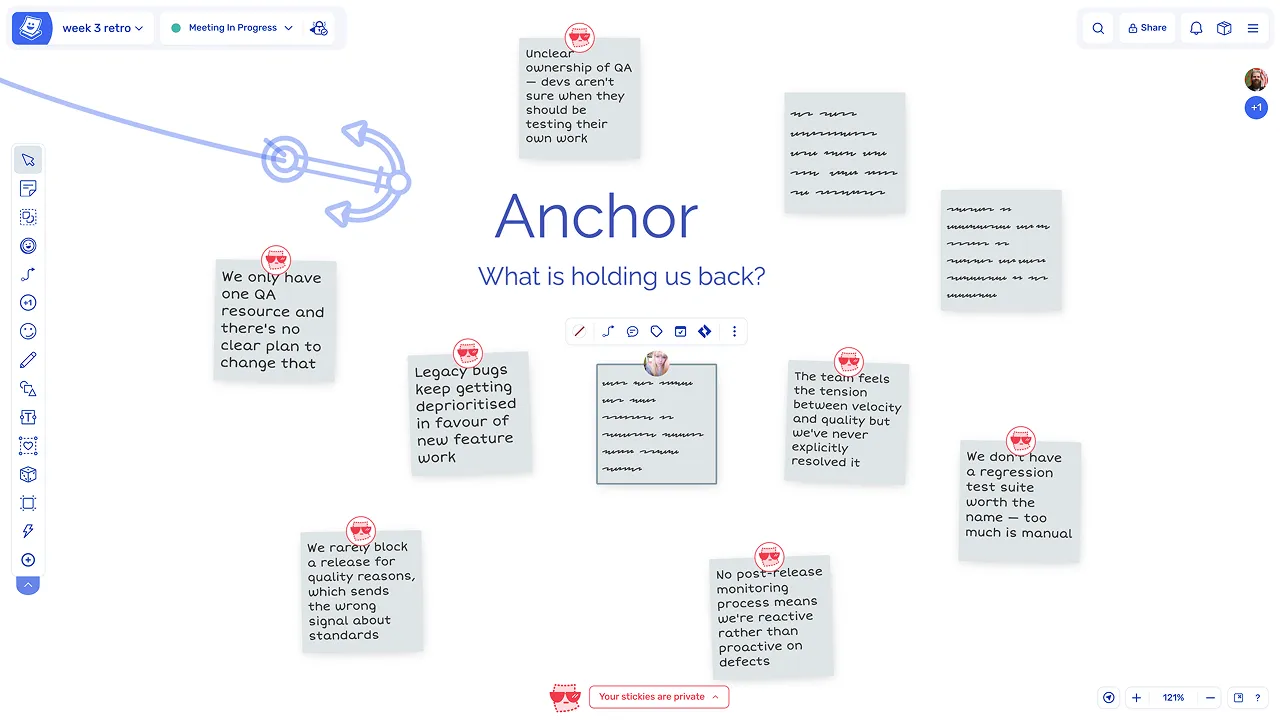
Write feedback privately
Participants add sticky notes in private, sharing what went well and what could be improved before revealing their input, encouraging honest and unbiased contributions from everyone.
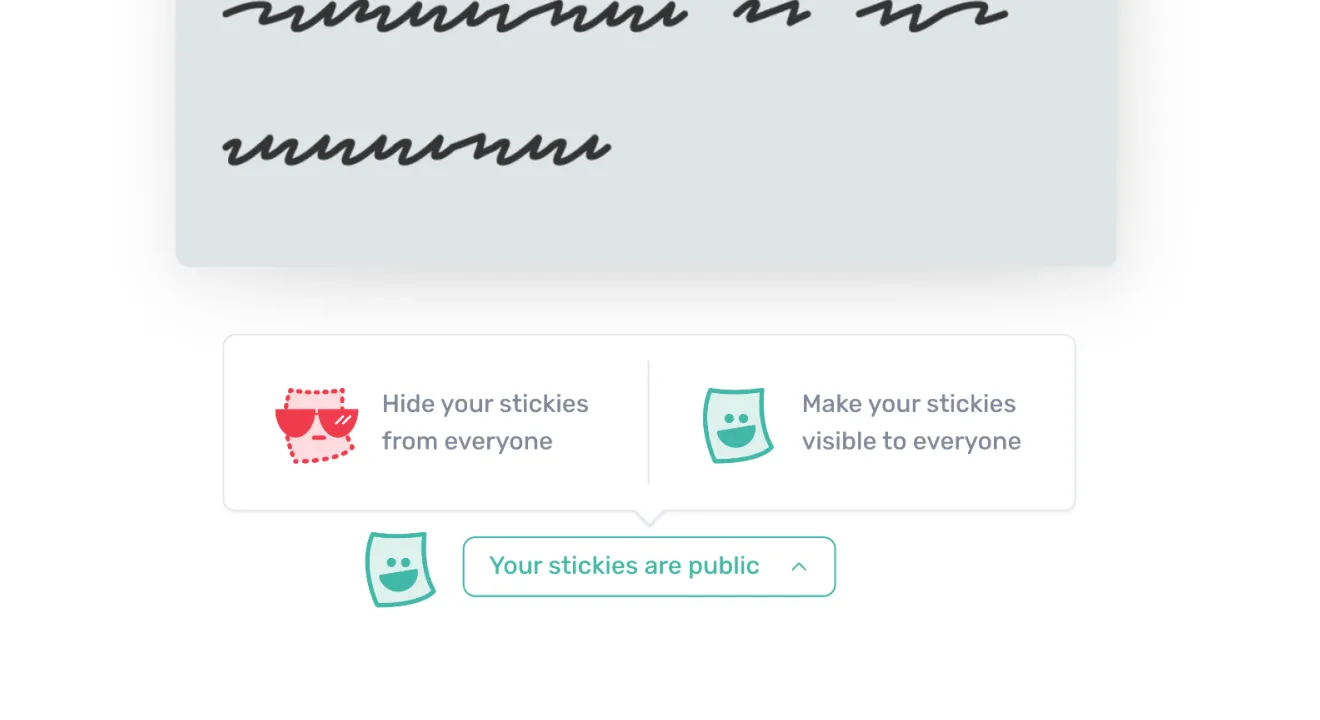
Reveal and review contributions
Once everyone is ready, stickies are revealed and the team reads through all feedback together, giving everyone visibility of each other's input before the discussion begins.
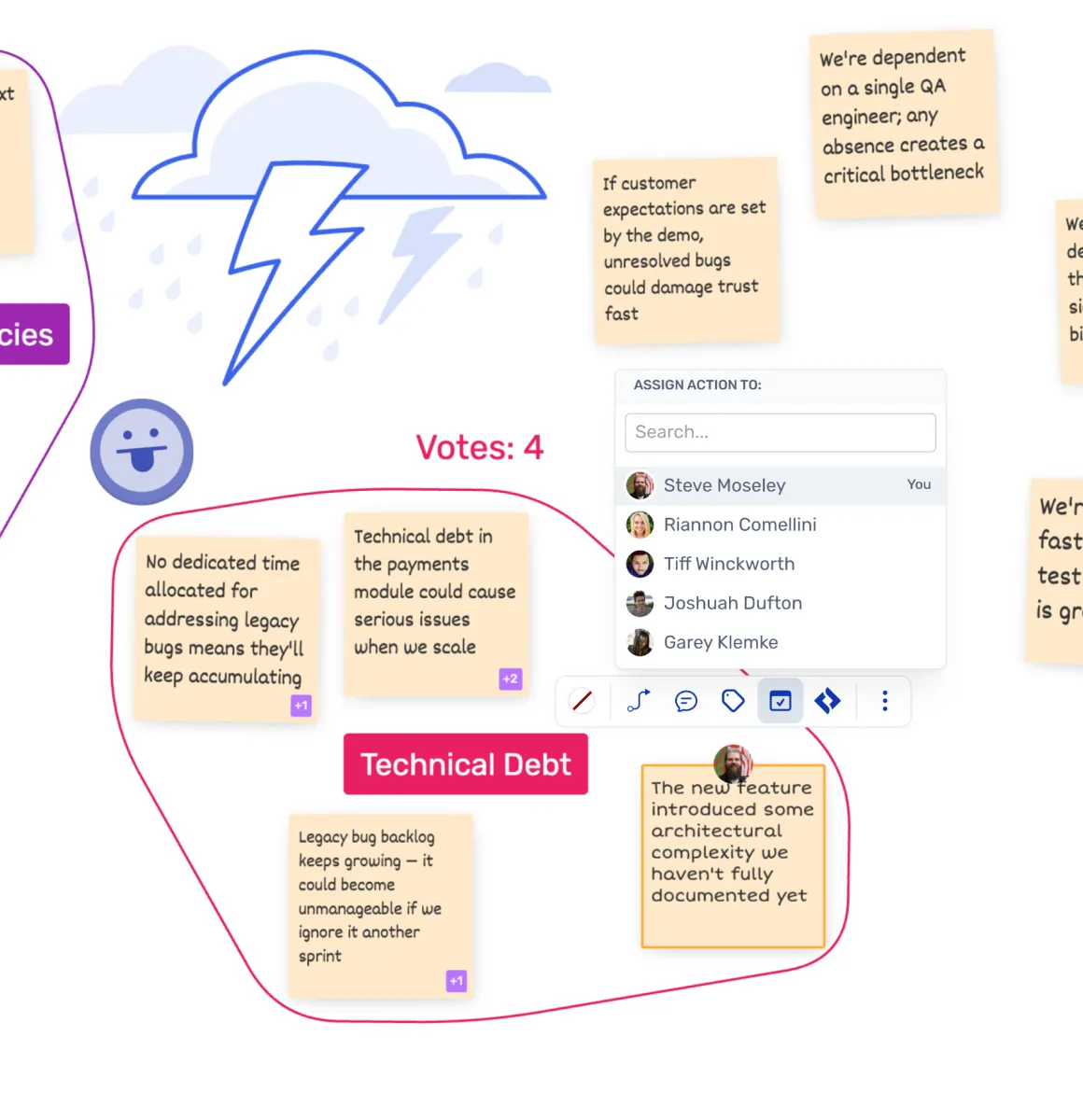
Turn discussion into improvements
Group related ideas
Similar stickies are grouped into topics to identify common themes across the team's input, making it easier to focus discussion on the most important areas.
Vote on key themes
The team votes on which topics to focus on, helping prioritise the most important areas to discuss and avoid spending time on lower-priority feedback.
Create and track actions
Actions are created from the discussion, assigned to team members, and tracked with due dates, carrying forward into the next retrospective so nothing is forgotten.
Explore other agile meetings
Retrospectives are one of several agile meetings teams run regularly. Explore other agile sessions you can run in Ludi.
Sprint Planning
Plan your next sprint visually with drag-and-drop user stories and a shared board.
Backlog Refinement
Review, prioritise, and clarify backlog items with the whole team in one place.
User Story Estimation
Estimate effort collaboratively with structured estimation activities and planning poker.
Planning Poker
Run async-friendly poker estimation sessions to align the team on story complexity.
Daily Standups
Keep standups focused and async-friendly with a shared status board.
Story Mapping
Map user journeys and plan releases visually with collaborative story mapping boards.